Double glazing
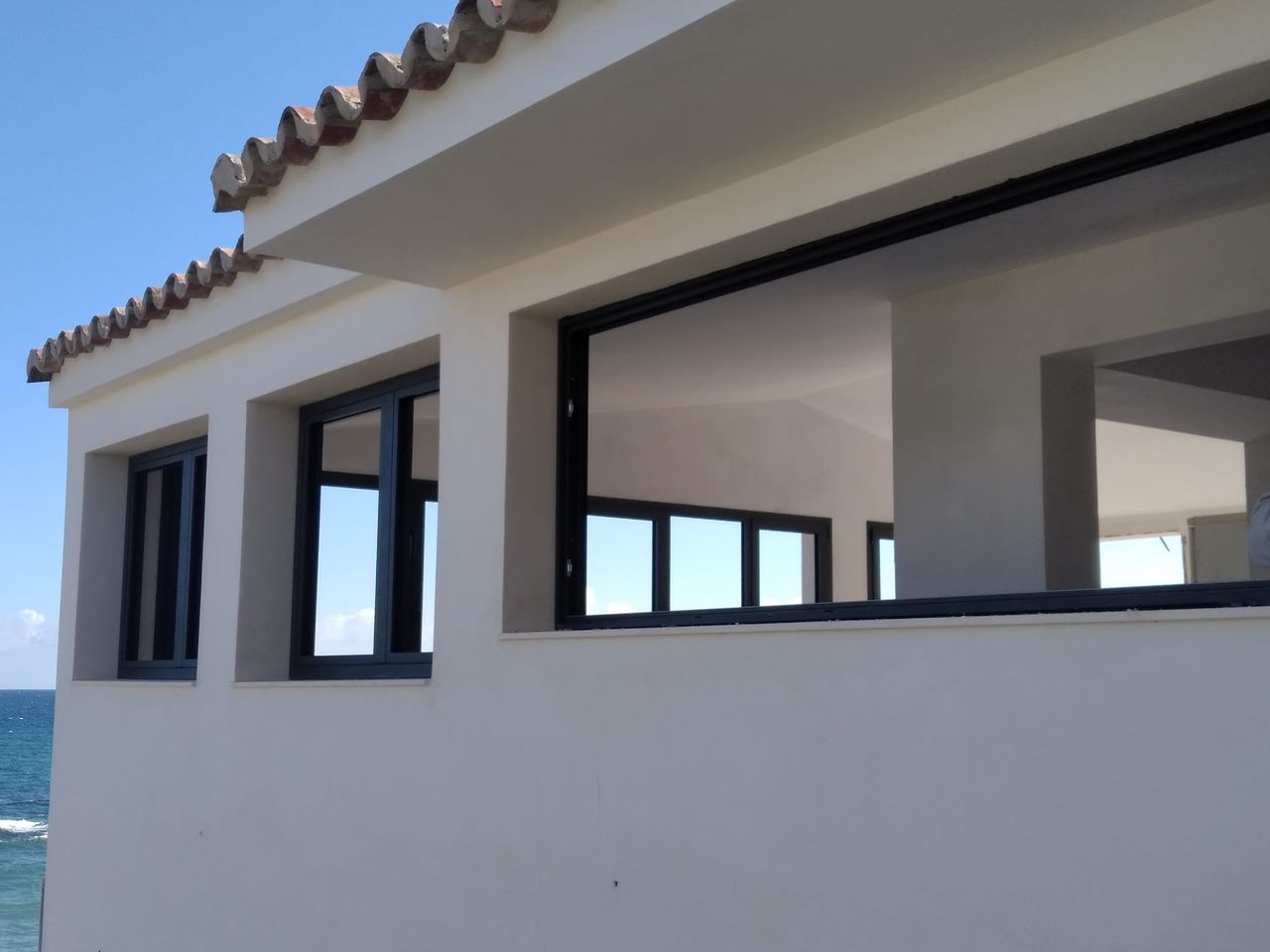
An insulating glass unit, also called cavity glazing, is two or more panes of glass held parallel and apart from one another, forming a single unit.
The gap between them is normally filled with dehydrated air or another inert gas, and a vacuum can also be drawn to improve performance. Either way the cavity is hermetically sealed so that air cannot circulate and contaminants cannot get in. Thermal resistance can be raised further with low-emissivity coatings on the inner face of the cavity.
Low-emissivity and solar control glass
Low-emissivity glass greatly improves a window’s energy efficiency: it cuts heat loss by reflecting part of the heating energy back into the room, while still letting daylight through. It works like a coat that keeps the warmth inside.
Solar control glass prevents rooms with large glazed areas from overheating in summer. The difference is most noticeable in rooflights and in south-facing buildings.
Laminated and safety glass
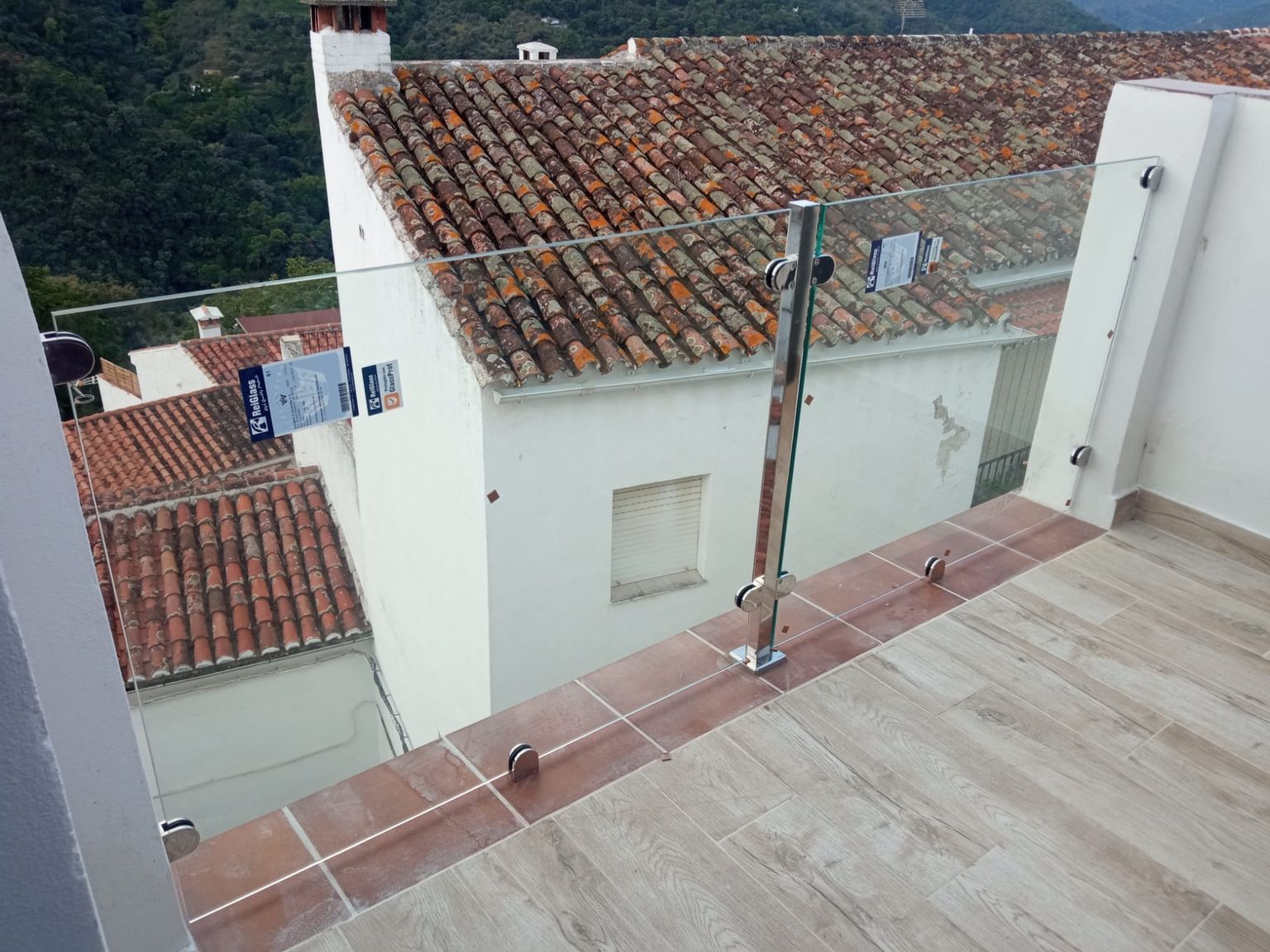
Laminated glass bonds several panes together with an interlayer of polyvinyl butyral (PVB), ethylene-vinyl acetate (EVA) or resin. It is also known as safety glass, although not all safety glass is laminated — toughened glass, for instance, is not.
The interlayer can be clear, translucent or coloured, and can carry almost anything: printed patterns, LEDs, fabric. It can also be given acoustic and solar control treatment. Above all it makes the glass safer when it breaks, because the fragments stay bonded to it. Windscreens and anti-theft and bullet-resistant glazing are of this type.